
Djemi Hair Braiding
Djemi Hair Braiding offers braids, fulani braids, hairdressing, and much more in Stone Mountain, Georgia. Transform your hair with expert African braiding artistry and protective styling techniques that celebrate your heritage and showcase your unique beauty. Book your appointment today!


Our Services
Explore our range of services.

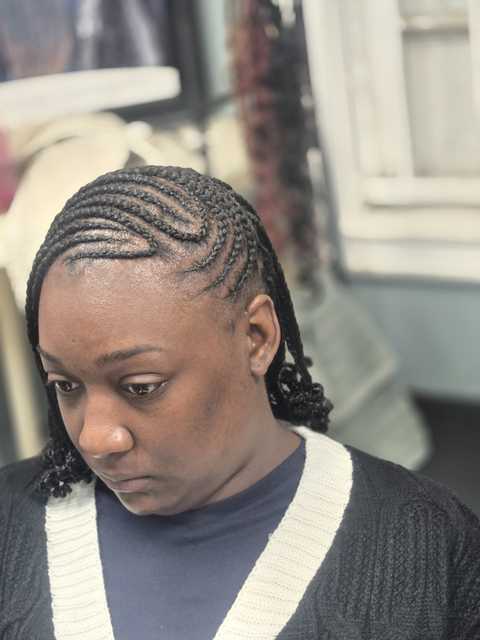
Braids Styling
Expert braiding for all styles. Services include popular techniques like cornrows, knotles...more
View Service
Weaves
Installation of hair wefts. Services focusing on sewing hair wefts onto braided natural ha...more
View Service
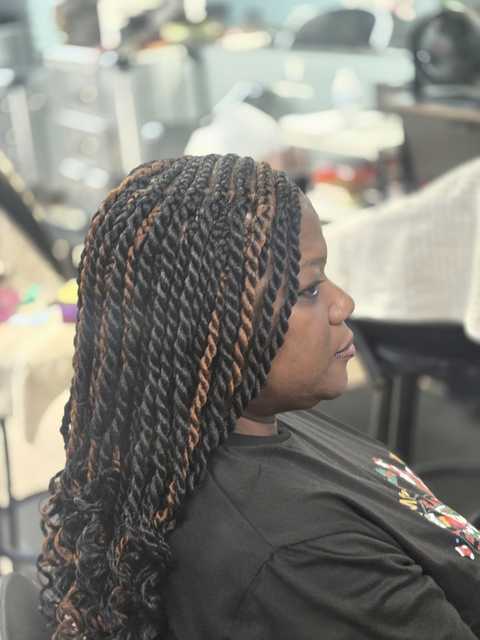
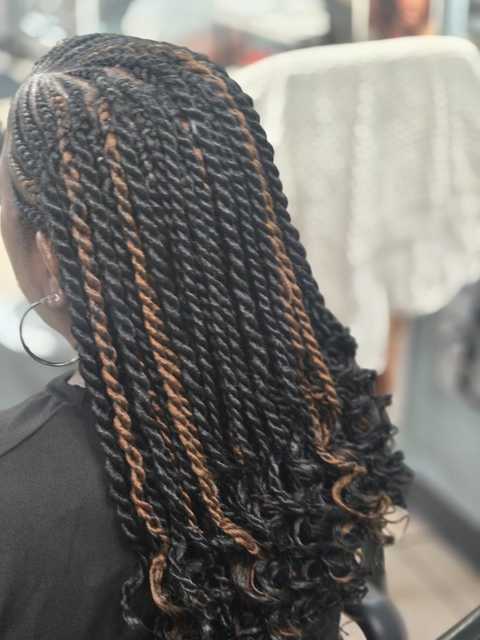
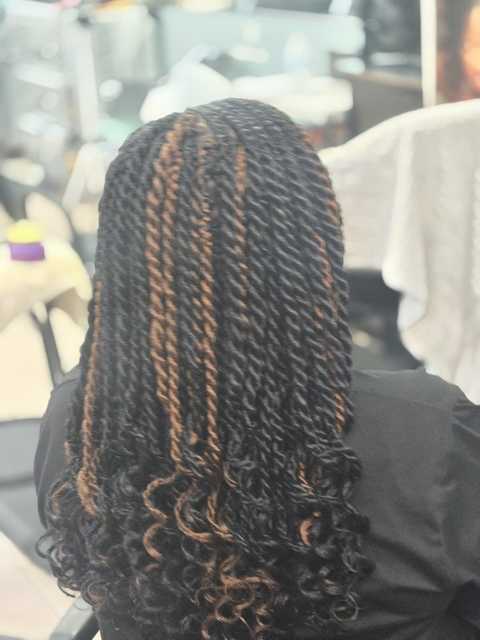
Twists
Coiling and twisting protective styles. Services involve wrapping two strands of hair arou...more
View Service
Dreadlocks
Specialized service for permanent loc maintenance. Focuses on the creation and ongoing car...more
View Service



Reviews
Hear from our best customers, sharing their experiences with us!

She braids over my locs! So creative!!

Quick! Neat! Super satisfied!

Best braider in Georgia!!!!!

I like her braiding technique and she is a good braided!. Definitely recommend

She's very good at her job. Highly recommended,. Thank you!! 😊

She’s awesome lady better by braiding stylist. She make my daughters and look gorgeous. He...more

great work, very nice and great time management. will always come back!

Ms. Djemi is very professional and nice she works very fast but consistent she get the job...more

Whatever style you want she's got you

The best hair Braider in town. Very professional and so accommodating

She is very fast and does amazing work!

I brought my daughter 2 days ago to have her hair done and she did an amazing job. I’m s...more

I love when she do my hair...I don't let anyone touch my hair but her

I had an amazing experience getting my hair braided. She was punctual, very professional, ...more

Hair was in good shape and it was tight like I wanted it and I will always allow her to do...more

I have been bringing my daughter to her who is 18 and away at college. I am now going on a...more

This girl is fire I really love the way she braids my hair ❤️❤️

I brought my Wife to Djemi Hair Braiding to get her hair done. Djemi was very professional...more

He's was very good end I love they way he's doing the hair end so fast thank you to do my ...more

I absolutely love my hair! She is so professional and works incredibly fast without compro...more

I love coming to djemi hair braiding she always does a great job and she is always quick

...more

About Us
At Djemi Hair Braiding, we blend tradition with artistry, rooted in years of expertise and a passion for unique hair care. Nestled in Stone Mountain, we pride ourselves on our welcoming atmosphere and personalized service. Our team is not just skilled; we are trained in the latest braiding techniques and hair care practices, ensuring your style is both fabulous and healthy. Our commitment to quality and customer satisfaction has earned us glowing reviews and a loyal clientele. Experience the Dje...more
FAQs
Have questions? We've got answers.
Djemi Hair Braiding is located at 4242 Carrollwood Dr, Stone Mountain, GA 30083 in DeKalb County. We specialize in authentic African hair braiding including box braids, knotless braids, Fulani braids, cornrows, Ghana braids, Senegalese twists, passion twists, faux locs, goddess locs, butterfly locs, tribal braids, stitch braids, boho braids, feed-in braids, micro braids, and natural hair styling. Our expert braiders use traditional African techniques combined with contemporary styles serving Stone Mountain, Lithonia, Decatur, Tucker, and throughout Metro Atlanta. Premier African braiding salon celebrating cultural heritage with artistic excellence.
Box braids use traditional knotting technique at the root where extensions are secured with a knot, creating a slightly bulkier base. This classic method has been used for generations. Knotless braids use a feed-in technique where hair is gradually added throughout the braid without an initial knot at the root. The key differences: knotless braids create flatter, more natural-looking roots with less tension on the scalp making them significantly less painful during installation and gentler on edges and hairline. They're also lighter in weight. Box braids offer a more traditional classic look and may last slightly longer. Both are protective styles that can last several weeks. Choose knotless if you have a sensitive scalp or want a more natural appearance, or traditional box braids for the classic look and maximum longevity.
Braid longevity varies by style: cornrows and feed-in braids typically last 2-4 weeks, box braids and knotless braids 4-8 weeks, Senegalese twists and passion twists 4-8 weeks, faux locs and goddess locs 4-8 weeks. To maximize wear time: sleep with a satin bonnet or on a satin pillowcase to prevent frizz, moisturize your scalp regularly with light oil or braid spray, cleanse your scalp weekly using diluted shampoo in an applicator bottle or dry shampoo, avoid excessive pulling or tight styling, re-do perimeter braids and edges if they start loosening, and never leave braids in longer than 8 weeks to avoid matting and breakage. Keep braids clean and protect them when swimming. Proper care extends your style's life and protects your natural hair health.
Fulani braids are a traditional West African braiding style originating from the Fulani people, a nomadic ethnic group spanning across West Africa. This distinctive style is characterized by thin-to-medium cornrows braided along the sides with a signature central braid running down the middle, often adorned with beads, cowrie shells, or gold cuffs. The style typically features four-to-six cornrows on each side creating a beautiful symmetrical pattern. Fulani braids celebrate African heritage and have been worn for centuries as both a protective style and cultural expression. The decorative elements like beads and metallic accessories are traditional embellishments that add significance and beauty. This style usually lasts 2-4 weeks with proper care and represents an authentic connection to West African tribal braiding traditions.
Senegalese twists are sleek, smooth rope-like two-strand twists created using kanekalon or synthetic hair wrapped tightly around natural hair for a uniform, polished appearance. They have a shinier, more refined look. Passion twists are a bohemian, textured version of Senegalese twists created using water wave or passion twist hair, which has a pre-curled texture. This creates a softer, more romantic appearance with visible texture, curls, and movement throughout. Passion twists have a more carefree, undone aesthetic while Senegalese twists are sleeker and more classic. Both are lightweight protective styles lasting 4-8 weeks. Choose Senegalese twists for a polished professional look or passion twists for a textured bohemian vibe. Both can be styled up or down and come in various lengths.
These are all loc-inspired protective styles but with distinct characteristics. Faux locs are the original artificial dreadlock style that mimics matured locs, created by wrapping hair around natural hair for a uniform loc appearance - they're the most structured and traditional-looking. Goddess locs are a softer, more feminine version featuring the structure of locs but with curly, wavy ends and some loose texture throughout for a bohemian goddess-like aesthetic - they're lighter and more romantic. Butterfly locs are the most textured and distressed, featuring intentional loops, curls, and messy appearance throughout each loc that mimics naturally matured locs - named for the butterfly-like loops created during installation. All three last 4-8 weeks, but goddess locs and butterfly locs offer more movement and texture while traditional faux locs are sleeker. Choose based on whether you want structured (faux locs), romantic (goddess locs), or textured bohemian (butterfly locs) appearance.
Boho braids, also called bohemian braids, combine the structure of knotless braids with curly hair strategically left out throughout the style, creating a carefree, romantic aesthetic. Unlike traditional box braids where all hair is braided, boho braids feature curly extensions intentionally left loose at various points, adding texture, dimension, and movement. This creates a softer, more whimsical appearance that's incredibly versatile - you can wear them down for a flowing look or style them up. They're popular because they offer the protection of braids while maintaining a natural, lived-in appearance perfect for festivals, vacations, or everyday wear. The style typically lasts 3-6 weeks and works beautifully with various curl patterns and lengths. It's trendy yet timeless, giving you the best of both worlds: protective styling with the softness and movement of loose curls.
Feed-in braids use a gradual extension technique where the braider starts with your natural hair and progressively adds small amounts of braiding hair as they go, rather than adding all the extension hair at once with a knot at the root. This creates braids that start very thin at the scalp and gradually become fuller toward the ends. The benefits are significant: drastically reduced tension on your hairline and edges since there's no heavy knot pulling at the root, a much flatter and more natural appearance at the scalp, less pain during installation, and better protection for delicate edges prone to breakage. Feed-in technique can be used for cornrows, box braids, or other braided patterns. It's especially recommended for anyone with thinning edges, a sensitive scalp, or anyone who's experienced traction alopecia. This method prioritizes hair health while still giving you beautiful long-lasting braids that typically last 2-4 weeks depending on the style.
Stitch braids are a precise cornrow technique that creates ultra-straight, clean parts with a visible horizontal pattern that resembles stitching or sewing - hence the name. Unlike traditional cornrows where parts may be less defined, stitch braids require meticulous sectioning with a rat-tail comb to create perfectly straight, evenly spaced lines. The braider creates small horizontal 'stitches' while parting, resulting in a graphic, architectural look that showcases incredible precision and artistry. The finished style has bold, defined lines that are visually striking and Instagram-worthy. Stitch braids are typically styled as straight-back cornrows or in curved geometric patterns, and they last 2-4 weeks. They require more time and skill than regular cornrows but the result is a modern, editorial braiding style that emphasizes clean lines and technical excellence. Perfect for anyone who wants their braids to make a bold, artistic statement.
Braids are considered a protective style, meaning they protect your natural hair from daily manipulation, environmental damage, and breakage - all of which can support length retention. However, braids don't make hair grow faster (hair growth is genetic), but they do protect the hair you're growing. When installed correctly with proper tension, braids tuck away your ends (the oldest, most fragile part of your hair), reduce tangling, minimize heat damage, and decrease daily styling stress. The key is proper installation and maintenance: braids that are too tight can cause traction alopecia and damage edges, braids left in too long (over 8 weeks) can cause matting and breakage, and neglecting to moisturize your scalp and cleanse regularly can lead to dryness and buildup. For maximum hair health: ensure braids aren't too tight, moisturize regularly, cleanse your scalp weekly, take breaks between installations, and never leave them in longer than recommended. Done right, protective styling with braids helps you retain length and maintain healthy natural hair.
Tribal braids encompass intricate cornrow patterns featuring geometric designs, curves, symbols, and decorative elements that celebrate African tribal heritage and cultural traditions. Unlike simple straight-back cornrows, tribal braids incorporate complex parting patterns creating artistic designs on the scalp - think zigzags, triangles, curves, asymmetrical patterns, and symbolic shapes. They often include traditional adornments like beads, cowrie shells (which hold cultural significance in many African cultures), colorful thread wrapping, and gold cuffs. What makes them special is they're not just a hairstyle but a form of cultural expression and art. Many patterns have historical significance, with different tribes and regions having distinct braiding traditions. Tribal braids can include Fulani-inspired styles, Zulu knots, elaborate geometric patterns, and custom creative designs. They showcase the braider's artistry and technical skill while honoring ancestral braiding traditions. The style typically lasts 2-4 weeks depending on complexity and allows for endless creative customization while maintaining a connection to African cultural heritage.
Installation time varies significantly depending on the style, size, length, and hair thickness. Small box braids or micro braids can take 6-10 hours due to the precision and number of braids needed. Medium box braids typically take 4-6 hours. Large or jumbo box braids may take 2-4 hours. Knotless braids often take slightly longer than traditional box braids due to the feed-in technique. Cornrows can take 1-4 hours depending on the pattern complexity - simple straight-back cornrows are faster while intricate tribal or stitch braid patterns take longer. Senegalese twists typically take 4-8 hours. Passion twists may take 4-6 hours. Faux locs, goddess locs, and butterfly locs generally take 4-8 hours. Feed-in braids take 2-4 hours. The more intricate the design and the smaller the sections, the longer it takes. Plan accordingly and bring snacks, your phone charger, and entertainment. Many clients appreciate that the time investment results in a style lasting several weeks.
Yes, you can get braids with short or relaxed hair, though style options may vary. For short natural hair, you'll need at least 1-2 inches of hair length for most braiding styles to grip properly. Cornrows, feed-in braids, and Ghana braids work well on shorter hair since extensions are added immediately. Box braids and knotless braids are possible with shorter hair by using the feed-in method. For very short hair under 1 inch, crochet braids are an excellent option since they're installed on cornrow bases. Relaxed hair can absolutely be braided - in fact, braids are often recommended as a protective style during the transition from relaxed to natural hair or as a break from chemical processing. The key considerations for relaxed hair: ensure hair is in healthy condition without excessive breakage, avoid getting a relaxer touch-up immediately before braiding (wait at least 2 weeks), and make sure braids aren't installed too tightly since relaxed hair is more fragile. Consult with your braider about which styles work best for your specific hair length, texture, and condition.
For first-timers, knotless braids or medium-sized box braids with the feed-in technique are often recommended because they're gentler on the scalp with less tension than traditional box braids. If you're concerned about installation time, consider medium or large braids rather than small ones - they take less time and are easier to maintain while you adjust to caring for braids. Cornrows are another good option for beginners, especially if you want a shorter commitment since they typically last 2-4 weeks. Avoid micro braids for your first time as they take many hours to install and can be heavy. Start with a style lasting 4-6 weeks rather than 6-8 weeks so you can see how your hair responds. Make sure to communicate with your braider about your concerns - they can adjust tension and recommend the best beginner-friendly style. Be prepared with a satin bonnet for sleeping and light oil for moisture. Remember that some initial tension is normal but braids should never be painfully tight or cause bumps on your scalp. Don't hesitate to speak up during installation if you're uncomfortable.
Yes, proper preparation ensures better results and healthier hair. One to two weeks before: deep condition your hair to strengthen it, trim any split ends to prevent them from worsening under braids, and consider doing a protein treatment if your hair is weak or damaged. The day before or day of: wash and condition your hair thoroughly (most braiders prefer working with clean hair), detangle completely using a wide-tooth comb - this is crucial as tangled hair makes braiding difficult, and blow-dry or stretch your hair if you have very tight curls, as this makes sectioning easier. Avoid: applying heavy oils or products that make hair slippery (light moisture is fine), getting a relaxer touch-up right before braiding (wait 2 weeks minimum), and having any scalp conditions or open wounds. Bring to your appointment: a water bottle, snacks, phone charger, and entertainment since installation takes several hours. Come with realistic expectations about installation time, be prepared to sit patiently, and communicate clearly with your braider about your desired style, length, and tension comfort level. Proper preparation leads to a smoother experience and better-looking, longer-lasting braids.
Yes, you should wash your braids, though the technique differs from washing loose hair. Clean scalp promotes healthy hair growth and prevents buildup, itching, and odor. Recommended frequency is every 1-2 weeks, though this varies based on your lifestyle, scalp oiliness, and whether you work out regularly. Washing method: focus on cleansing the scalp rather than the braids themselves. Use a diluted shampoo in an applicator bottle to apply directly to your scalp between braids, gently massage your scalp with fingertips (not nails), rinse thoroughly ensuring all shampoo is removed, apply a lightweight conditioner to your braids if desired, gently squeeze out excess water with a towel (don't rub), and sit under a hooded dryer or let air dry completely to prevent mildew. Never go to bed with damp braids. Between washes, use dry shampoo for your scalp, rose water spray for refreshing, or witch hazel for cleansing. Some people prefer co-washing (using conditioner only) or using specialized braid shampoos. The key is keeping your scalp clean without excessive manipulation that could cause frizz or loosen your braids prematurely.
Ghana braids, also known as banana braids, Cherokee braids, or invisible cornrows, are a specific type of thick cornrow that differs significantly from regular cornrows. Regular cornrows lay flat against the scalp using your natural hair with possible extension hair added, creating thinner, tighter braids. Ghana braids use the feed-in technique where extension hair is gradually added as you braid, creating thick, raised braids that are fuller from root to end and have a more three-dimensional, raised appearance off the scalp. They're called 'invisible' cornrows because when done correctly, the extensions blend seamlessly with natural hair making it difficult to see where your hair ends and extensions begin. Ghana braids are typically styled in straight-back patterns or curved designs and make a bold statement with their thick, defined appearance. They're particularly popular in West African countries and have become a signature protective style. The thickness and added hair make them more dramatic than traditional cornrows, and they typically last 2-4 weeks. Perfect for anyone wanting the classic cornrow look with more volume and impact.
Edge pain after braiding usually indicates the braids are too tight, which is unfortunately common but not normal or healthy. While some mild tension is expected initially, sharp pain, bumps on your scalp, or prolonged soreness signals excessive tension that can lead to traction alopecia (permanent hair loss along the hairline). What to do immediately: if braids are painfully tight during or right after installation, speak up - a good braider will redo them without hesitation. If you're already home and experiencing pain, apply warm compresses to soothe the scalp, take an anti-inflammatory like ibuprofen if needed, gently massage your scalp with light oil, and avoid pulling braids into tight ponytails or buns. If pain persists beyond 48 hours or you notice white bumps, redness, or hair loss, remove the braids immediately to prevent permanent damage. Prevention for next time: communicate clearly that you want comfortable tension not tight, request knotless braids or feed-in method which are gentler on edges, ask the braider to start with lighter tension especially around the hairline, and don't be afraid to speak up during installation if anything hurts. Your edges are precious - protect them by never tolerating painful braids.
Hair requirements vary by salon and style, so always ask when booking your appointment. Many braiding salons provide hair as part of the service, while others require you to bring your own. If providing your own: for box braids or knotless braids, bring 5-8 packs of braiding hair depending on desired thickness and length (kanekalon or X-pression are popular brands). For Senegalese twists, bring 5-7 packs of kanekalon or pre-twisted hair. For passion twists, bring 5-7 packs of water wave or passion twist hair. For faux locs, goddess locs, or butterfly locs, bring 5-7 packs of faux loc hair or soft dreadlock hair. For cornrows with extensions, bring 3-5 packs. Consider color: get hair that matches your natural color, try ombre or highlights by mixing colors, or go bold with fashion colors. Quality matters - cheaper hair may tangle or look less natural. Buy from beauty supply stores specializing in braiding hair. Bring extra packs to be safe. If the salon provides hair, clarify if it's included in the price or an additional charge, and whether you can choose colors and brands.
Protecting your braids at night is crucial for maintaining them and preventing frizz. The gold standard is sleeping with a satin or silk bonnet - this is non-negotiable for braid maintenance. Satin and silk reduce friction that causes frizz and breakage, unlike cotton which absorbs moisture and creates friction. If you find bonnets uncomfortable or they slip off, use a satin or silk pillowcase as backup protection. For longer braids: gather them gently on top of your head before putting on your bonnet, or loosely braid them into one or two large braids before covering. For shorter styles like cornrows: simply cover with your bonnet. Additional tips: never sleep on wet braids as this can cause mildew and smell, avoid tight ponytails or buns at night which create tension, replace your bonnet when elastic gets loose, and consider investing in a large bonnet if you have very long braids. Some people use both a bonnet and satin pillowcase for extra protection. This nightly routine takes only a minute but dramatically extends your style's life and keeps braids looking fresh. A good bonnet is a small investment that protects a much larger investment in your braiding style.